


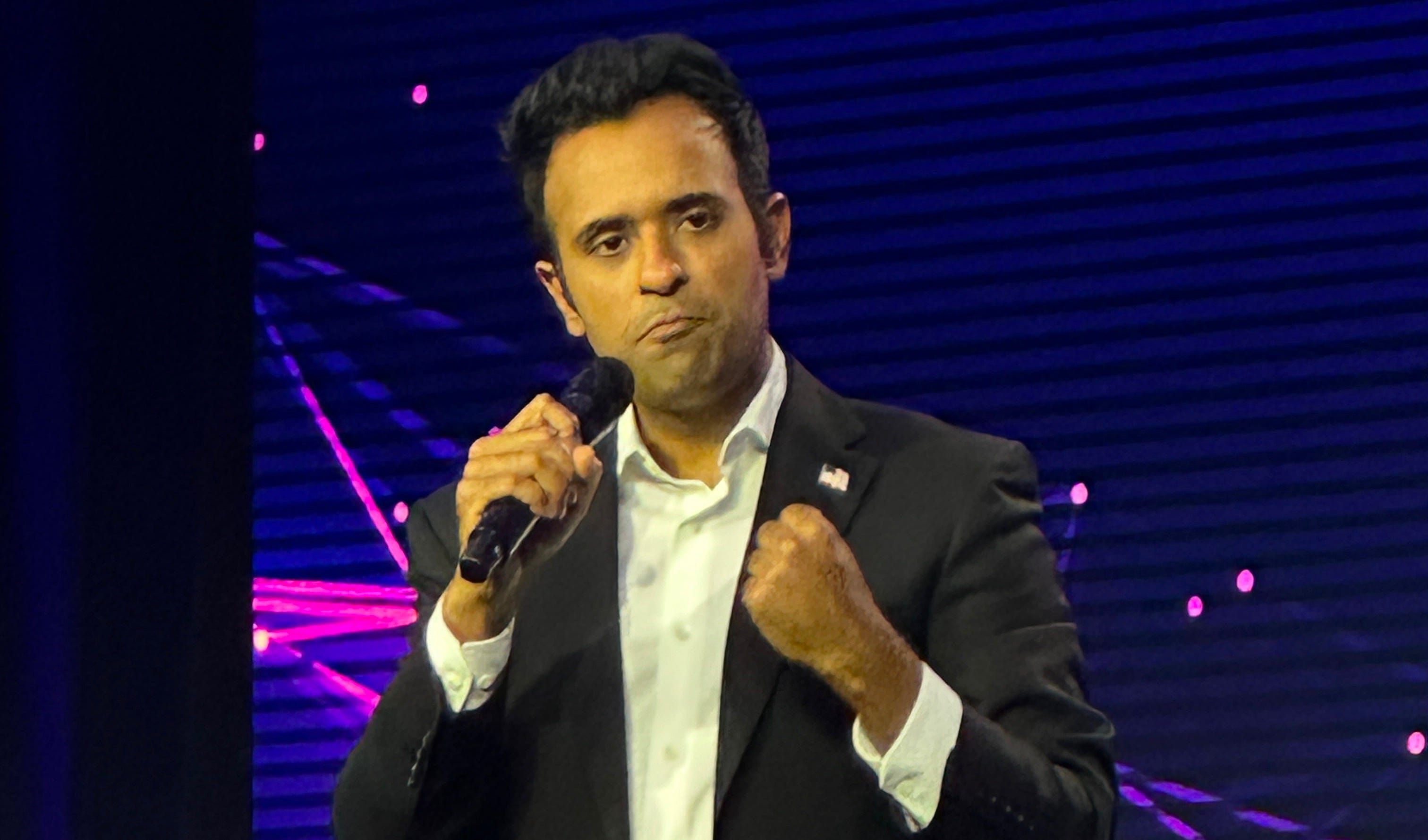
On February 24, 2025, 435 days before Ohio’s gubernatorial primary election, President Donald Trump endorsed entrepreneur Vivek Ramaswamy for Ohio Governor. At the time, sitting Attorney General Dave Yost had already declared his candidacy. Trump’s endorsement helped pave the way for an extraordinarily early endorsement by the Ohio Republican Party, which officially backed Ramaswamy on May 9, 2025—361 days before Republican voters would have their say at the ballot box. The decision effectively placed the state party’s support behind a politically untested candidate who had never held elected office, with his only previous campaign experience being his unsuccessful bid for the 2024 Republican presidential nomination. Yost dropped out a week after the endorsement.
Vivek Ramaswamy had 77 weeks to run a successful general election campaign in a state that Trump won by twelve percent. Ohio Republican leadership, with the President's weight on the scale, selected the top of the ticket to lead the GOP to an unprecedented victory and gave him nearly eighteen months to do so.
Despite the weight on the scale, Democrat Amy Acton is our Governor-elect. Former Senator Sherrod Brown (D) will be returning to the Senate. Our state’s top cop will be Upper Arlington councilman John Kulewicz (D). State Representative Allison Russo (D) will be overseeing business and elections in our state. Cincinnati City Councilman Seth Walsh (D) will manage our treasury. Justice Jennifer Brunner (D) will remain on the Supreme Court, and Judge Marilyn Zayas (D) will join as a new Justice. Ohio will likely send eight Democrats to the U.S. House, in a map expected to be 12-3 Republican. The Republican supermajority (and any veto override power) in the statehouse is gone.
What went wrong?
The Ohio Republican Party needs to remain neutral in contested primaries.
The Ohio Republican Party endorsed in two contested statewide primaries — Ramaswamy for Governor in May 2025, and current State Treasurer Robert Sprague for Secretary of State against veteran and election-integrity activist Marcell Strbich in February of this year. Strbich asked the State Central Committee to remain neutral. The committee endorsed Sprague anyway, 52-11.
Strbich remained in the race, and I don’t think the party’s involvement necessarily changed the outcome. It still showed a willingness to put the party’s weight on the scale before Republican voters had made their decision.
I understand the argument for an early endorsement. Avoid an expensive primary, unite the party, and spend more time preparing for November. In the same meeting where it endorsed Sprague, however, the State Central Committee declined to endorse either candidate in the contested primary for Treasurer against two former or current state legislators, even though the same body had censured one candidate three years prior. Remaining neutral was clearly an option.
A competitive primary allows voters to question candidates, compare their records, and see how they respond under pressure. It also gives the eventual nominee a reason to earn support across the party. Leadership should be willing to let that process happen.
The President is entitled to his opinion, and his endorsement carried significant weight with Republican voters. The Ohio Republican Party still has its own responsibility to the people it represents. I believe that responsibility includes giving voters a fair opportunity to choose their nominee before committing the party’s support.
When leadership intervenes this early, it also takes on responsibility for the result. The people who argued that these endorsements would put Republicans in the strongest position for November should now explain what they got wrong.
Candidate quality needs to matter before November.
Ramaswamy’s lack of elected experience did not automatically make him a bad candidate. It did mean that Ohio Republicans were being asked to trust someone who had never demonstrated an ability to win a general election. A national profile and the President’s endorsement should not have relieved him of the responsibility to prove that he was the strongest candidate for this particular race.
Candidate quality includes judgment, discipline, and an understanding of the people you ask to represent you. A candidate needs to explain how their proposals would improve Ohioans' lives and answer reasonable questions about their consequences. Impressing Republican activists does not necessarily translate into earning the confidence of the broader electorate. Winning the Lincoln Day dinner crowd doesn’t win elections.
Ramaswamy gave voters several proposals to question. He floated year-round schooling and extending the school day until 4 p.m., which his campaign later described as a ‘conversation’ rather than a formal policy rollout. He called for consolidating Ohio’s universities, then backtracked to emphasize consolidating programs and later denied wanting to close universities.
His support for data-center development raised other concerns. Ramaswamy defended the industry and called banning data centers a “terrible idea.”
“We have an AI data center boom in Ohio which is great. I’m all for it. I’m strongly in favor of it.” -Ramaswamy, April 5, 2025
He later proposed temporarily pausing new approvals until requirements addressing electricity costs, property taxes, and environmental protections became law. That later proposal matters, but so does the need to explain how those promises would actually protect the communities being asked to accommodate these facilities.
On November 3, voters delivered a clear answer. All 21 data-center-related ballot measures across 18 Ohio communities favored restrictions, according to unofficial results. The measures differed in scope, but voters consistently chose bans, additional safeguards, or rejection of proposed development.
Those communities were Conneaut, Defiance, Granville, Grove City, Hubbard, Monroeville, Oregon, Pataskala, Perry, Piqua, Sunbury, Trenton, Upper Sandusky, Urbana, Ashville, Wilmington, and Monroe and Sprigg Townships in Adams County. Wilmington alone rejected four separate rezoning measures.
Here in Madison County, Darby Township voters also approved a broader township zoning plan to replace county zoning, with 66.47% voting in favor. That vote gave township officials their own zoning framework for managing development in the unincorporated township, while nearby Plain City faces data center fears.
To me, those results show how seriously Republicans needed to take the opposition to these projects. Being pro-business should include expecting businesses to earn the confidence of the communities they want to enter. Candidate quality includes recognizing when voters have serious concerns and addressing them before those voters have to deliver their answer at the ballot box.
Republicans can support economic development and education reform while still demanding convincing answers about particular proposals. Voters should understand what a candidate intends to do, how it would work, and which statements represent actual commitments. When a proposal creates controversy and the campaign subsequently narrows or qualifies it, the candidate has a responsibility to explain the distinction clearly.
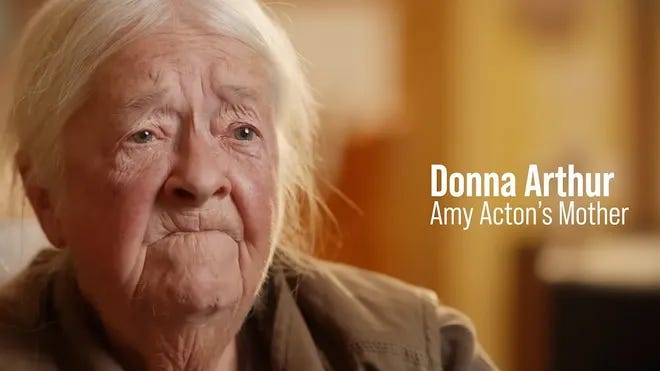
The outrageous advertisement featuring Amy Acton’s estranged mother illustrated a different judgment problem. It attacked Acton’s account of her childhood without explaining that, according to Acton, their estrangement began after her stepfather was charged with raping her when she was twelve and her mother chose the stepfather over her daughter. Court records reviewed by fact-checkers supported the existence of those charges, and her brother corroborated her account of abuse.
In a national Economist/YouGov poll, registered voters given both a description of the advertisement and Acton’s explanation disapproved 64% to 13%. Even Republicans given that context disapproved 42% to 25%.
These are the kinds of questions a competitive primary should help voters examine: the substance of a candidate’s proposals, their ability to defend them, and their temperament under pressure. Moving early to consolidate support around an untested candidate risks treating legitimate scrutiny as an obstacle to party unity.
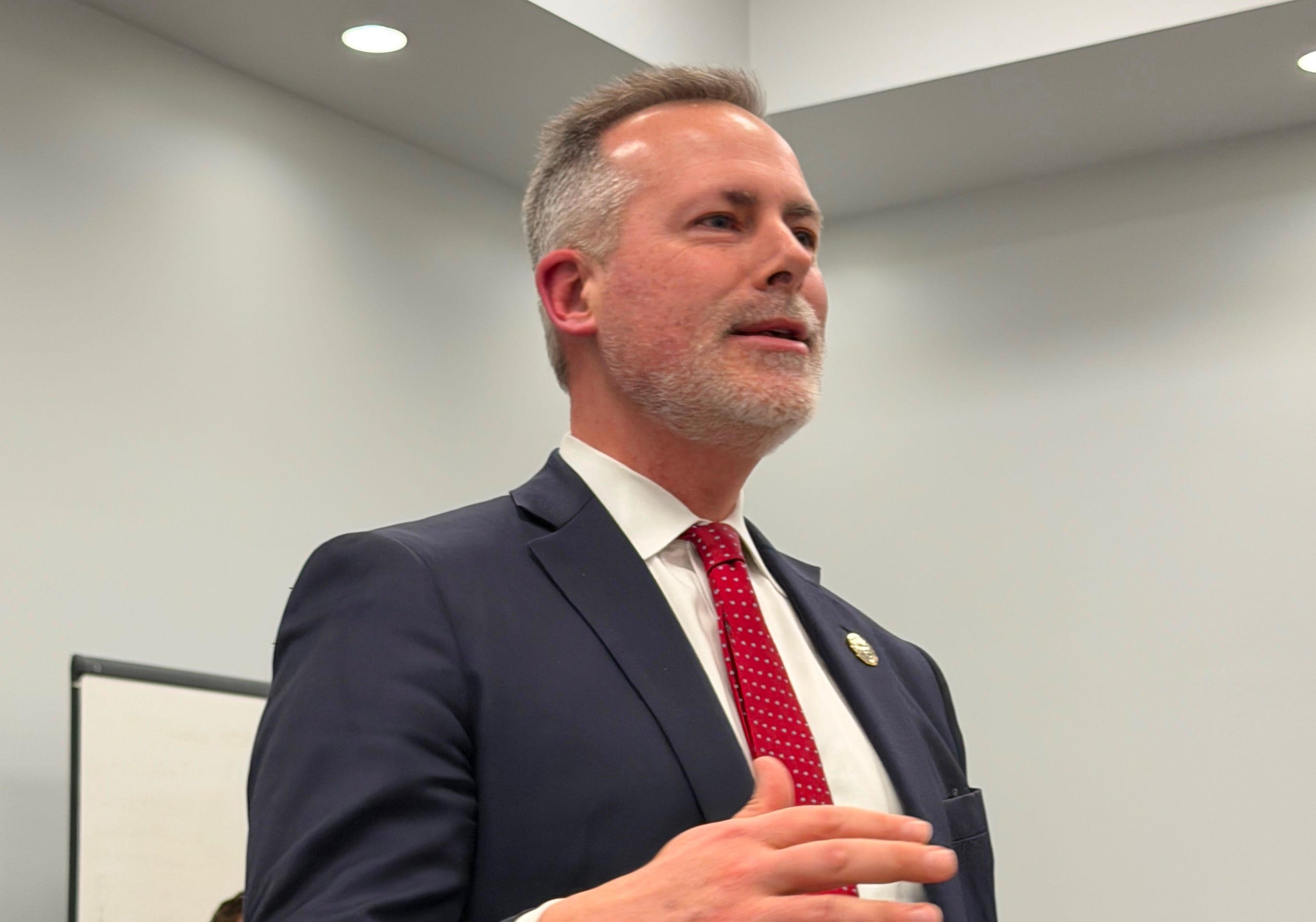
I am not arguing that nominating Yost would have guaranteed victory. We cannot know that. But party leadership should have demanded stronger evidence of general-election viability before deciding who would lead the ticket. Ramaswamy ultimately received 2.4 percentage points less support than the next-lowest Republican candidate for statewide office and 6.4 points less than State Auditor-elect Frank LaRose (R), who was the only statewide Republican to win.
Republican voters deserved a meaningful opportunity to make that candidate judgment themselves.
Candidate resources need to go where they are effective.
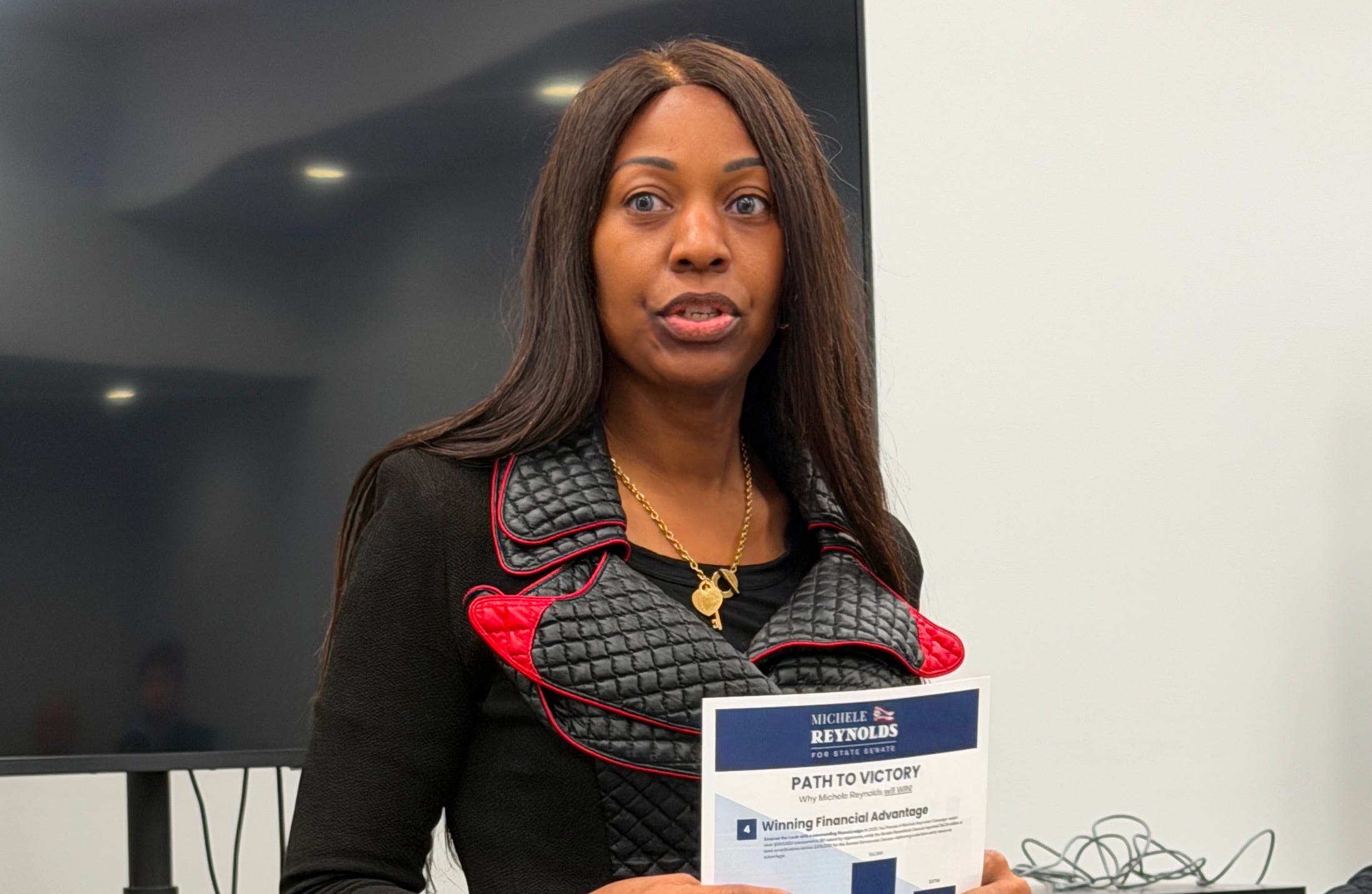
I live in Madison County, a Republican stronghold and a ‘rural’ county just outside Columbus. We had a hotly contested State Senate election between our incumbent, Michele Reynolds, and Democratic challenger Stacie Baker.
As an aside; Michele Reynolds was an incredible servant to Madison County. Thanks to her leadership, along with local officials, she stopped a biodigester from impacting our locality. We are indebted to her service.
Between the third Senate district race and all of the statewide offices, I received fifty political mailers at my house. I kept every one and counted them Tuesday morning. In a household of three Republican voters that haven’t missed an election since 2020, campaigns and PACs spent the resources to send us mail fifty times.
In comparison, I did not see a single promoted Facebook ad for any race.
Mailers have a place. A slate card can help voters navigate the ballot, and a well-written piece can introduce a candidate or explain an issue. But when fifty pieces arrive at one household, we should be asking what each additional mailing is expected to accomplish. The number of mailers sent should never be confused with the number of voters persuaded.
I would like to see Republicans put more emphasis on a consistent digital presence, with advertisements and content that explain our candidates’ positions and give people a reason to support them. That requires attention throughout the campaign. We should compare the value of another mailing with the opportunity to reach voters online, then spend accordingly.
Republicans demand accountability for government spending. We should expect the same care with the money people contribute to our campaigns. Donors deserve to know why we chose a particular approach and what evidence suggests it worked. If we keep spending money on familiar methods without evaluating their effectiveness, we have little basis for expecting a better result next time.
The national environment cannot be ignored.
It would be dishonest to discuss this election as though Ohio existed in isolation. Republicans were running in a difficult national environment, and the problems were visible before Election Day.
A Reuters/Ipsos survey completed November 2 put Trump’s approval at 32% among American adults. In that same survey, Democrats led Republicans 52% to 44% among likely voters on the generic congressional ballot. Those are national figures, but they show the conditions Republican candidates were facing.
The war with Iran belongs in this discussion. Trump entered his second term saying that he wanted to be a “peacemaker and unifier” and that success should include the wars America avoided. By this election, the Iran conflict and its effect on fuel prices had become political liabilities. Trump himself acknowledged after the election that Iran played a role in Republican losses.
Republicans cannot ask people to support an America First agenda and then dismiss their concerns about another war overseas. Voters are entitled to ask what the objective is, what it is costing, and how it serves the country. They are also entitled to judge the administration by what they can afford at home.
A family struggling with everyday expenses is not obligated to feel better because a campaign insists that the economy is strong. If our message does not acknowledge what people are experiencing, we should expect them to look elsewhere.
In my view, those national conditions help explain the breadth of the losses. They do not settle every question about what happened in Ohio. A difficult environment makes candidate selection and effective campaigning more consequential. It also requires a party to recognize when the public is unhappy with the policies it is defending.
Ohio Republicans deserve an honest accounting.
I want Republicans to win because I believe conservative government offers Ohio a better future. That is why I think we need to be honest about what happened and willing to hold our own leadership accountable.
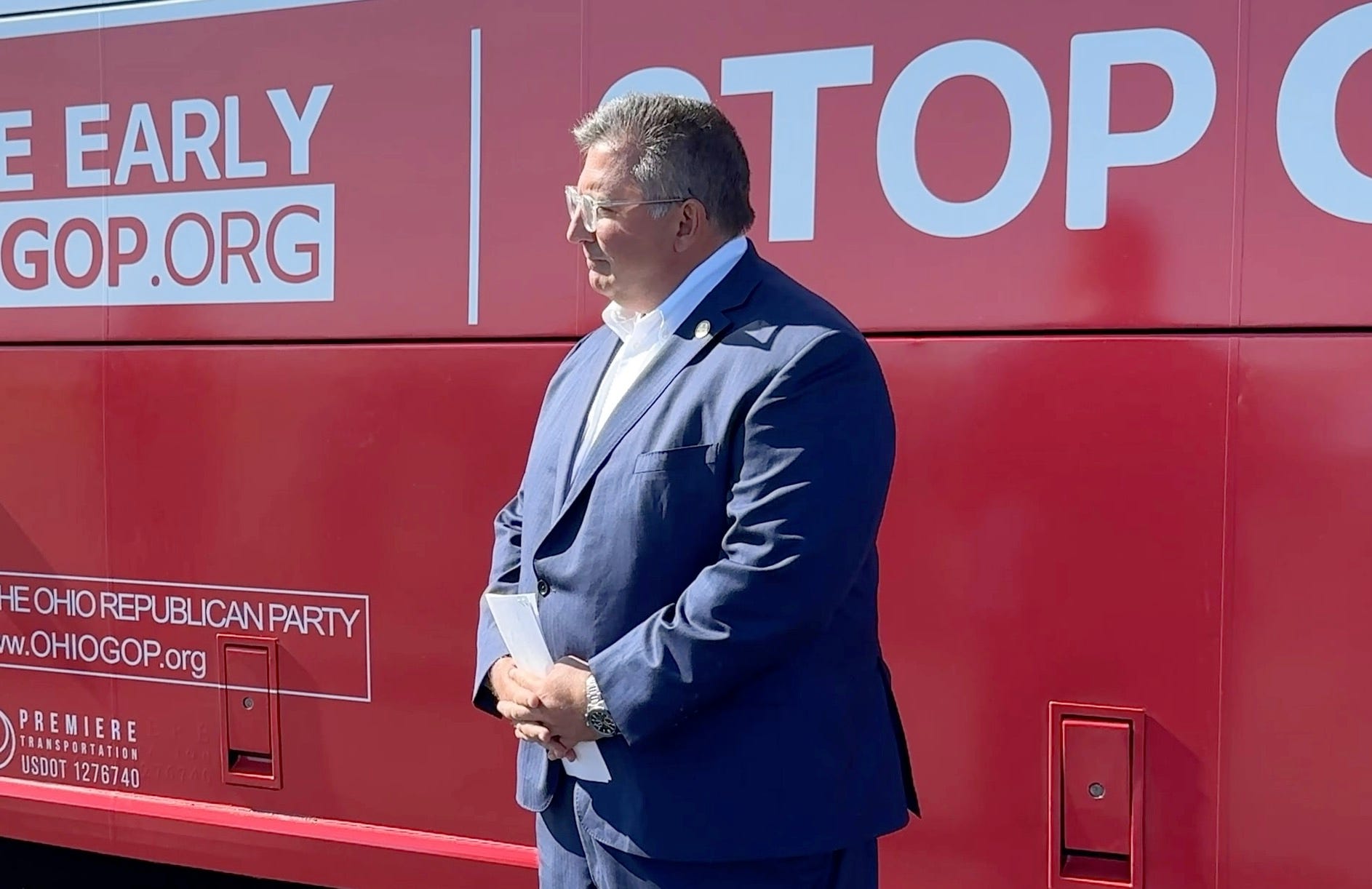
The Ohio Republican Party needs to examine its involvement in contested primaries, the candidates it backed, and how it spent campaign resources. The people who argued that early endorsements would put us in the strongest position for November should explain why that confidence was misplaced. Donors and volunteers deserve to know what will change before they are asked to support the same approach again.
National Republicans have their own responsibility. The war, the cost of living, and dissatisfaction with the administration cannot be dismissed as messaging problems. Voters judge our policies by how those policies affect their everyday lives. We need to take their concerns seriously, even when that means criticizing people within our own party.
The volunteers who gave their evenings and weekends, and the people who contributed money they could have used elsewhere, deserve leadership that treats their contributions with care. They should be able to expect an honest review of these decisions and a clear explanation of what comes next.
The current leadership needs to wake up to what this election exposed and make meaningful changes. If they are unwilling to reconsider their decisions or change how they operate, they should step aside for people who will. Ohio Republicans cannot afford another election cycle built on the assumption that past victories entitle us to future ones.